From the Pacific coast to misted cloud forest and coral reefs, Costa Rica packs extraordinary biodiversity into a relatively compact landscape.
Home to more than 500,000 plant and animal species, and with a staggering 25% of its landmass protected under active conservation, it is one of the most rewarding destinations in Central America for wildlife encounters.
Here, our specialists share a few of our favourite places to see Costa Rica’s wildlife first-hand – from lowland jungles and forest canopies to the country’s Pacific shores.
Sea Turtles in Tortuguero
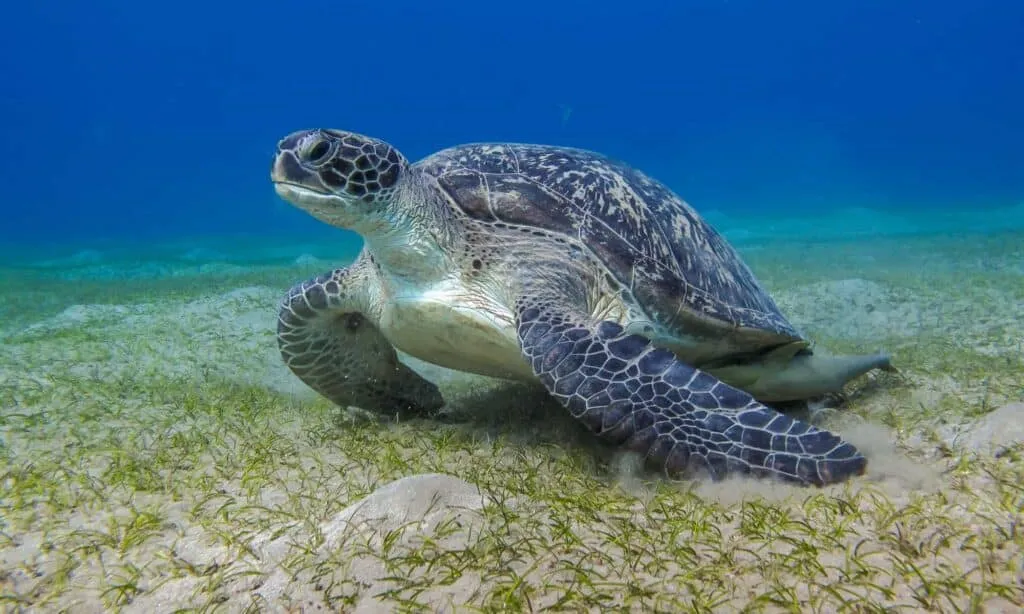
Costa Rica is home to an incredible 14 species of turtle, eight living in freshwater and six that glide gracefully through the warm waters of the country’s Pacific and Caribbean coasts. Four of the marine dwellers – leatherbacks, green turtles, hawksbills, and Loggerheads – can be encountered from the shores of Tortuguero National Park. Located on the Caribbean coast of Costa Rica, the park known for its pristine natural beauty and incredible biodiversity – there are no roads, only water channels for navigating the dense rainforest, full of turtles, as well as alligators, and a huge variety of birds, to name just a few.
The prime time in Tortuguero for beach-based turtle action is from July to August, though visitors staying in September and October may see some later-laid hatchlings catching up with their cousins.
Where to stay: Tortuga Lodge, set along Tortuguero’s canal system, allows dawn and dusk outings by boat, when turtles are most active.
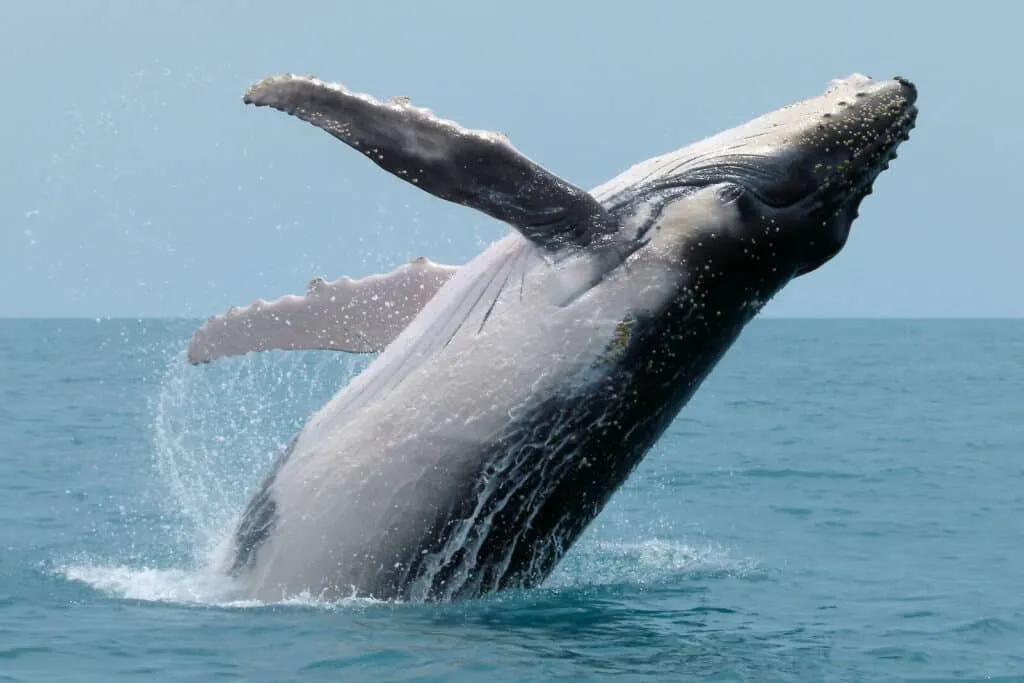
Spot Whales on the Pacific Coast
Costa Rica’s Pacific coast lies directly on the migratory routes of humpback whales, making it one of the rare places in the world where sightings are possible for much of the year. Two distinct populations pass through its warm waters, arriving from both the northern and southern hemispheres to mate and give birth offshore.
Whales migrating south from North America can be seen between December and April, while those travelling north from Antarctic waters arrive from July through October. The southern Pacific coast, particularly around the Osa Peninsula, is the focal point. Here, the sheltered waters of Golfo Dulce act as a natural nursery, where mothers and calves linger close to shore. Breaching, tail-slapping and slow, surface cruising are all commonly observed during peak months.
Where to stay: Golfo Dulce Retreat, a chic four-suite lodge set between beach and rainforest, with access to both offshore marine encounters and the surrounding forest.
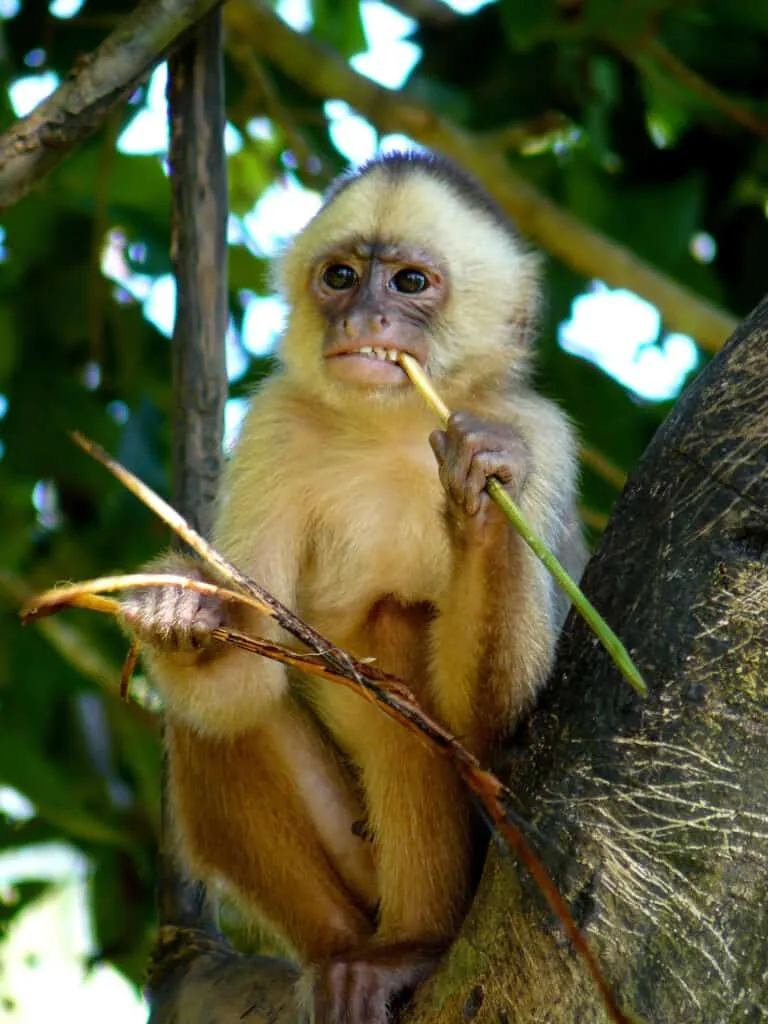
See Monkeys on the Osa Peninsula
The lowland rainforests and coastal reserves of Costa Rica remain one of Central America’s most important strongholds for primates. Dense canopy, year-round fruiting trees and extensive protected areas create ideal conditions for several species to thrive.
White-faced capuchin monkeys are the most frequently encountered, moving through the mid-canopy in social groups as they forage for fruit and insects. Spider monkeys, longer-limbed and more agile, favour taller, intact forest and are more often glimpsed in places like Corcovado National Park, where habitat remains largely undisturbed. Howler monkeys are widespread across the country – large and long-tailed, with beards and thick, predominantly, black hair. their deep, resonant calls carry through the forest at dawn and dusk.
Where to stay: Lapa Rios, protected by its own private reserve, places guests directly within primate territory, where capuchins, howlers and spider monkeys move freely through intact canopy above the trails.
Quetzals and Hummingbirds in the Monteverde Cloud Forest
Costa Rica’s birdlife is one of its great calling cards, with more than 900 species recorded across the country. Its compact geography brings together cloud forest, rainforest and coastal wetlands in a way that allows travellers to encounter a remarkable variety of birdlife within a relatively short distance.
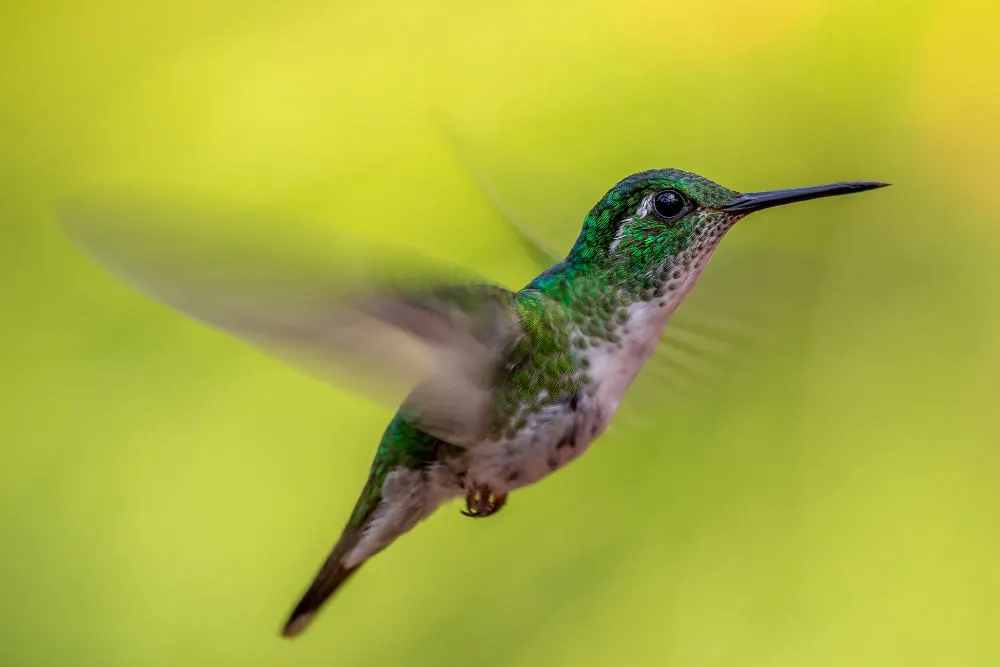
Some of the most sought-after species are found at altitude. In the cloud forests around Monteverde, resplendent quetzals move quietly between fruiting trees, particularly during the early months of the year. Hummingbirds are a constant presence, darting between flowering plants along forest edges, while toucans – including emerald and yellow-eared species – are most often seen at higher elevations.
Where to stay: El Silencio, surrounded by high-altitude forest, sits within easy reach of quetzal habitat and flowering corridors that draw hummingbirds and toucans throughout the year.
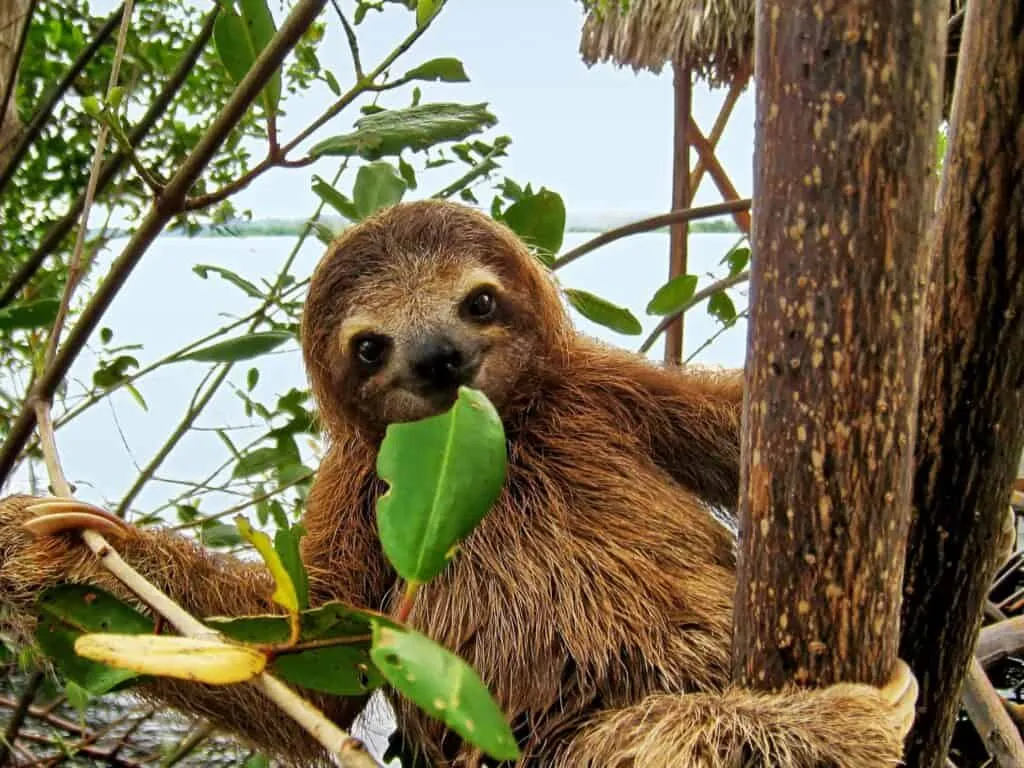
Sloths in the Osa Peninsula
A sloth is amongst the world’s slowest mammals – so sedentary, in fact, that algae grow on its furry coat. Adapted for life in the treetops, the algae gives the sloth a greenish tint that is useful camouflage. Sleeping up to 15-20 hours sleep every day, they eat mainly at night, feasting on leaves, shoots, and fruit from the trees.
Sloths can be found across Costa Rica, but sightings are particularly reliable on the Osa Peninsula, where large tracts of protected forest support both two-toed and three-toed species. Spotting them often requires patience – and a guide who knows exactly where to look.
Where to stay: Lapa Rios, surrounded by mature rainforest rich in cecropia trees, offers some of the most reliable sloth sightings in the country.
Track Tapirs in Bijagua
The Baird’s tapir – known locally as the danta – is the largest land mammal in the Neotropics and one of Costa Rica’s most elusive inhabitants. Shy, mostly nocturnal and deeply forest-bound, sightings are rare without specialist knowledge.
The forests around Bijagua de Upala, near the slopes of Tenorio Volcano, offer one of the country’s best chances of encountering them. Often, it is their tracks, pressed into mud along rivers and forest paths, that appear first.
Where to stay: Hacienda Montezuma, a traditional working ranch set within a vast nature private reserve near Tenorio Volcano, with a strong focus on conservation. The hacienda borders the forest corridors used by tapirs, offering guided walks focused on tracking signs of their nocturnal movement along rivers and forest edges.
Related Stories

An Interview With Writer Jade Moyano: Pura Vida in Costa Rica

The Week: At Home On a Ranch in Costa Rica
Marine Conservation & Underwater Adventures in Costa Rica
In Conversation with Floriana Acosta, Owner of Hacienda Montezuma, Costa Rica
@plansouthamerica